Today is going to involve a lot of walking, so a hearty breakfast is in order. The Polish sausage I bought yesterday has been cooked up with an egg and some Czech baked beans. A mug of coffee and a couple of slices of buttered concrete complete the picture (why is the bread here so hard?)
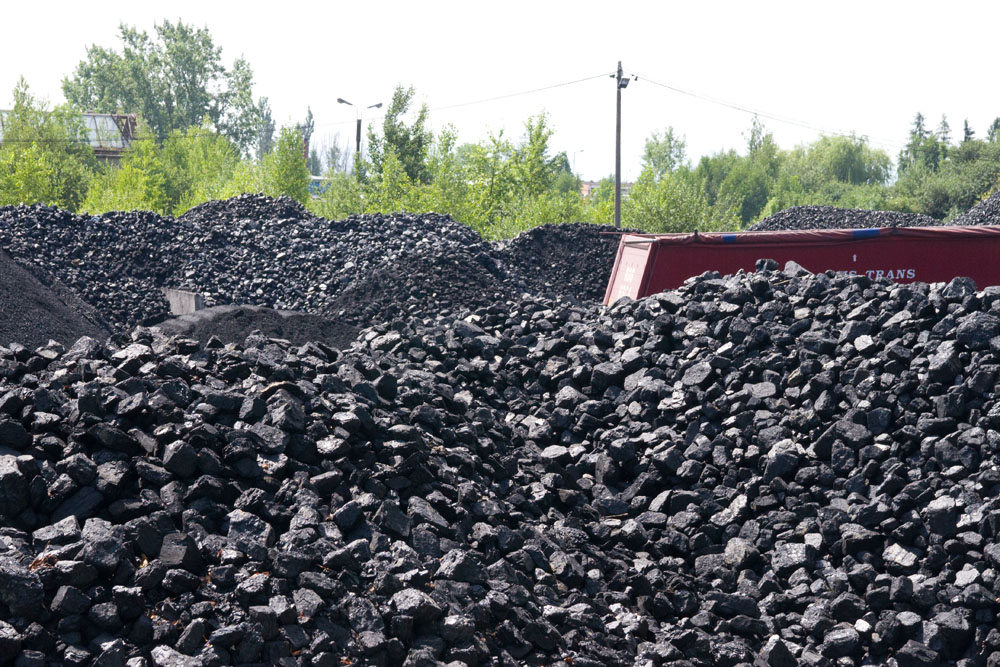
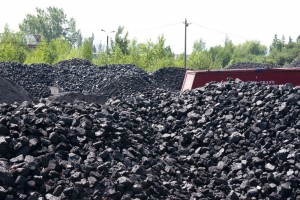 I decided to walk down to the site as I figured it was probably quicker than trying to work out the bus timetables. At a mile or two away it doesn’t take all that long to get there. On the way to the site, I noticed lots of railway lines and a big coal yard. I did wonder if the coal yard provided the base materials for the I G Farben factory at Auschwitz III where they made synthetic rubber and petrol.
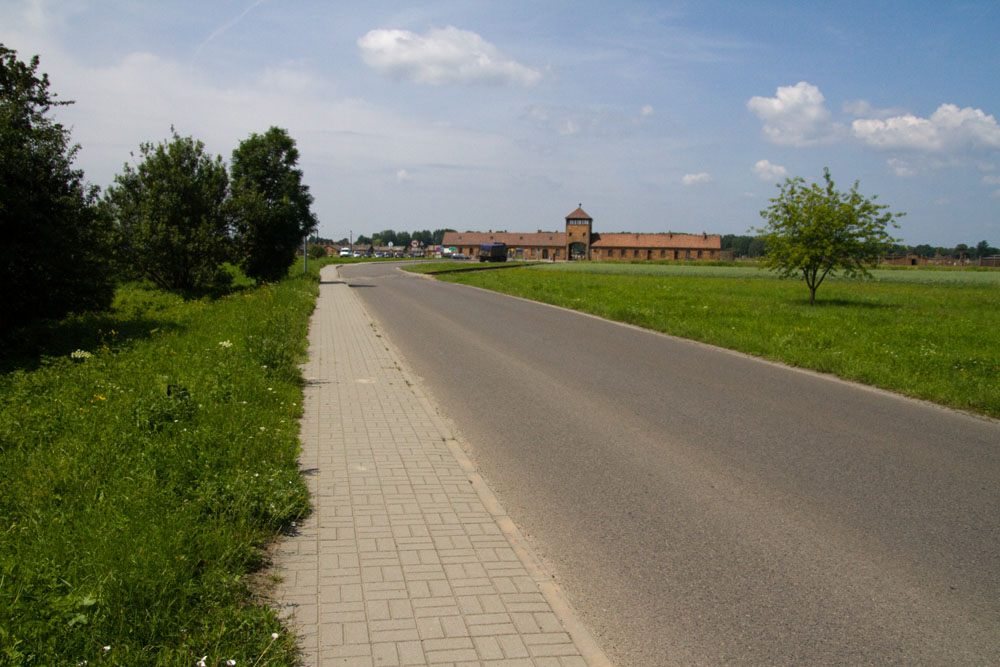
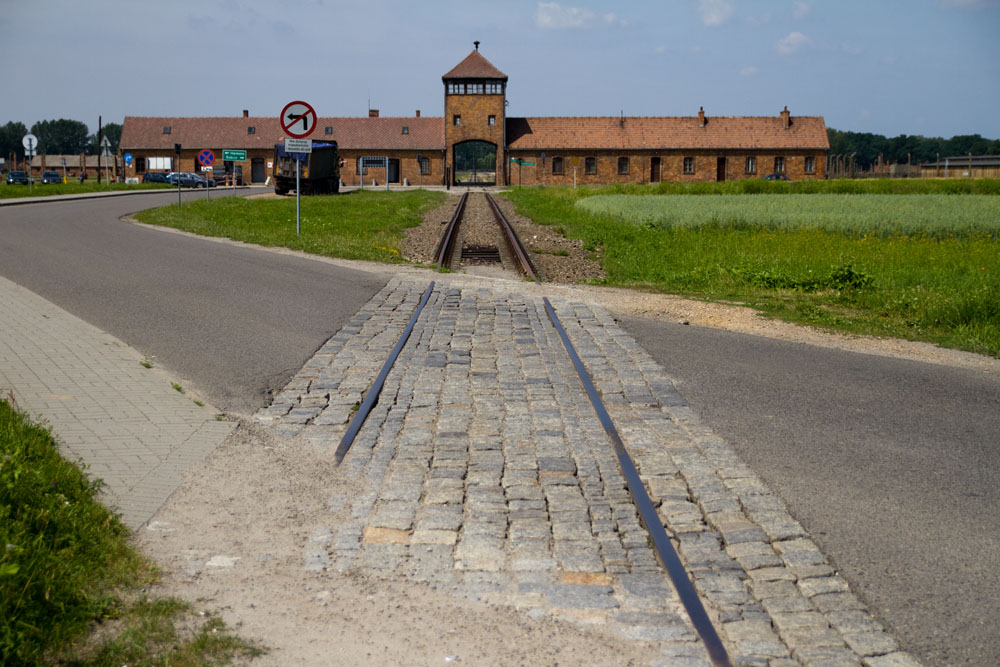
 It’s not long before I see a sign saying Auschwitz II Birkenhau 1200m. A quiet lane takes you to the site which didn’t look as I expected. The site is 45 degrees to the incoming road and the picture that sticks in peoples minds is the front-on view of the railway line going in.
 The site doesn’t look like much when you get there, just the facade, then you spot the barracks, most of them with just chimneys left but a few complete ones are preserved.
It’s at this point that you get the impact of how large this site is. No map or photo can describe the size of the facility.
 Walking through one of the entrances into the camp itself, you are presented with the selection ramps. It is in these places that the Nazis decided who would be useful to work and who would not. Those who were of no use to the regime (all children, all elderly, those who were ill) were marched down to the end of the line for “a shower and change of clothes”.
Little did they know what awaited them.
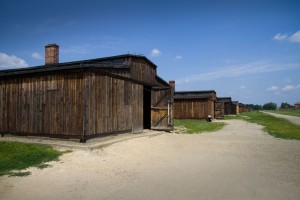 I turned right and looked down the row of barracks. Those on the left were made of brick, those on the right were later ones made of timber as the bricks had run out. They were based on a design for horse stables used in the field by the German army.
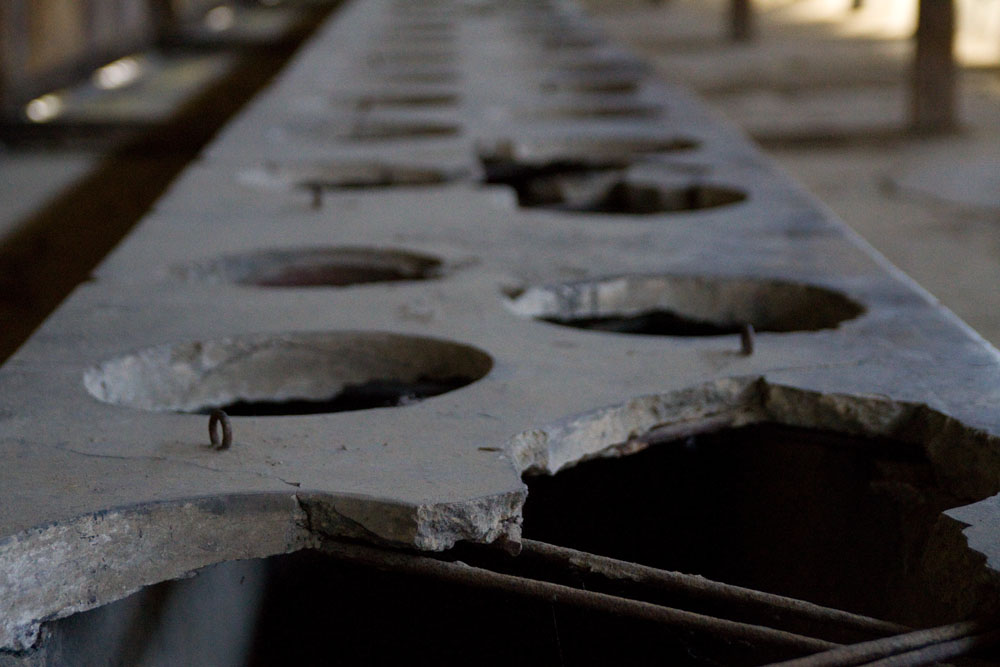
Most of them were for housing workers at the nearby factories but one functioned as a toilet block.
 The facilities were simple – a concrete hole to sit on running into a latrine about 60cm wide. The conditions in here must have been shameful and disease and illnesses rife in the camp.
The smell, especially in summer must have been equally awful.
 Taking a trip behind the front row of preserved buildings you can see the ones that have expired. Only the chimneys and concrete bases remain as the wooden parts of the buildings have long gone.
It’s when you stand and look at the sea of buildings it gives you an idea of the immense scale. This was abuse and destruction on a magnitude never seen before.
 Down at the back of the camp is the gas chambers and crematoria. The army tried to blow them up to hide the evidence as they retreated. The blown up buildings are just as they had been left.
To the left of the crematorium is a pit where the ashes from the crematorium were dumped. Four headstones stand at the edge proclaiming it as the final resting place for so many – one in Polish, one in English, and two in Hebrew.
 Walking back, I realised that the place was packed with barbed wire, many miles of it and all electrified. This must have been a desperate place to exist in.
Continuing my walk to the front entrance, many coaches have turned up. The majority are school children from all around Europe visiting as part of their religious studies. An Orthodox Jew talks abruptly into his cellphone. A small party of Chinese people chain smoke as they come out of the Museum area.
Those going in seem upbeat and lively, those coming out are much more subdued.
Anyway, I’ve found out that the Dialogue Centre has free WiFi, I just need to come up to the courtyard to use it. That’s why I’ve managed to get these two days uploaded now.
That’s it – Leg 1 of my journey is complete and Leg 2 (Auschwitz to Casola in Lunigiana) begins.
Tomorrow takes me to Vienna in Austria, and my campsite situated on the shores of the Danube. As previously stated, my route is changing and will take me through Slovakia as the main motorway from the Czech Republic is closed.